
What is Electric Vehicle Level 3 Charging Station

Electric Vehicle Level 3 Charging Station
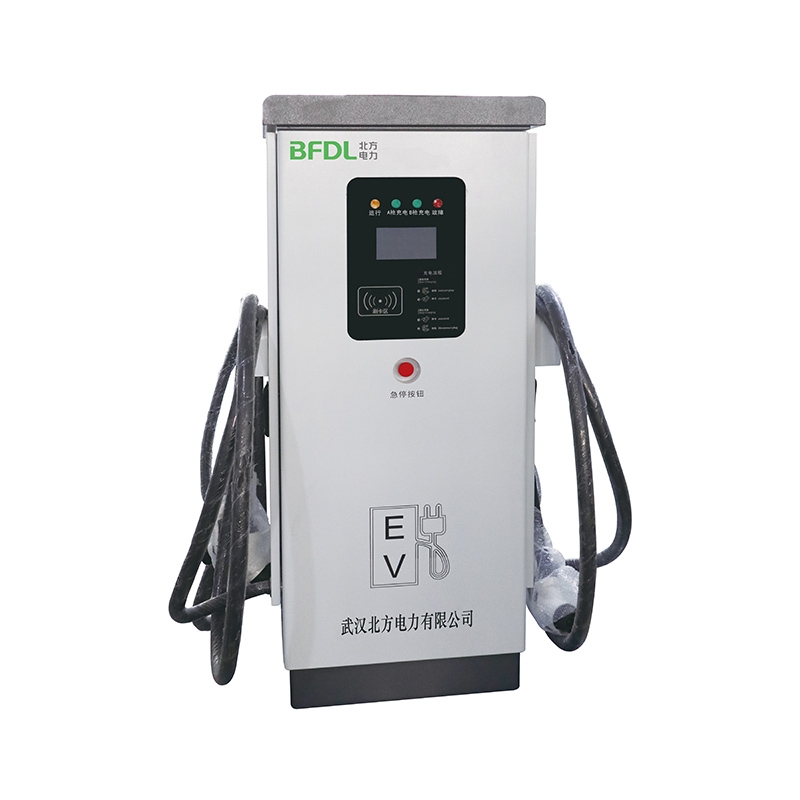
A Level 3 charging station (commonly known as DC Fast Charging) is the fastest way to charge an electric vehicle (EV), primarily used for quick power replenishment, making it ideal for long-distance travel or emergency charging needs.
Key Features
-
High Charging Power (50kW–350kW+)
-
10–20 times faster than Level 1 or Level 2 charging, reaching 80% charge in 30 minutes or less.
-
Some ultra-fast chargers (e.g., Tesla V4, Porsche’s 800V architecture) support 350kW+, adding 200+ km (~125 miles) of range in just 5 minutes.
-
-
Direct Current (DC) Charging
-
Bypasses the onboard charger (OBC), delivering high-voltage DC power directly to the battery for higher efficiency.
-
-
Designed for Public Use
-
Typically found at highway rest stops, shopping centers, and dedicated charging stations where fast charging is essential.
-
Level 3 vs. Level 1/Level 2 Charging
| Charging Level | Power Output | Current Type | Charging Time (Example: 60kWh Battery) | Typical Use Case |
|---|---|---|---|---|
| Level 1 | 1–1.8 kW | AC (Alternating) | 30–50 hours (0→100%) | Home (standard outlet) |
| Level 2 | 7–22 kW | AC (Alternating) | 4–8 hours (0→100%) | Home/Work/Public stations |
| Level 3 (DC Fast Charging) | 50–350+ kW | DC (Direct) | 20–40 minutes (20%→80%) | Highways/Fast-charge hubs |



Major Level 3 Charging Standards (Connector Types)
Different regions and automakers use varying fast-charging protocols, including:
-
CCS (Combined Charging System)
-
Dominant in Europe & North America, supports both AC/DC charging (used by Volkswagen, BMW, Mercedes, etc.).
-
-
CHAdeMO
-
Japanese standard (e.g., Nissan Leaf), gradually being phased out in favor of CCS.
-
-
Tesla Supercharger
-
Exclusive to Tesla, though some regions (e.g., North America) are opening access to other brands.
-
-
GB/T (Chinese National Standard)
-
Used in China (e.g., BYD, NIO, XPeng).
-
Pros & Cons of Level 3 Charging
✅ Advantages
-
Ultra-fast charging: Ideal for road trips, minimizing downtime.
-
Growing infrastructure: Increasing availability at highways and urban hubs.
❌ Disadvantages
-
Higher cost: Equipment and electricity rates are more expensive than home charging.
-
Potential battery impact: Frequent use may slightly degrade battery health over time (though modern Battery Management Systems mitigate this).
-
Compatibility issues: Not all EVs support every fast-charging standard (check your vehicle’s compatibility).
Conclusion
A Level 3 charging station = DC Fast Charging, the fastest EV charging solution today, optimized for long-distance travel and quick top-ups. With advancements like 800V high-voltage platforms (e.g., Porsche Taycan, XPeng G9) and next-gen ultra-fast chargers, charging speeds will continue to improve.
Comprehensive Guide to Commercial EV Charging Station Installation: Key Details from Planning to Operation


RECOMMED PRODUCT