Related blog
RECOMMED PRODUCT
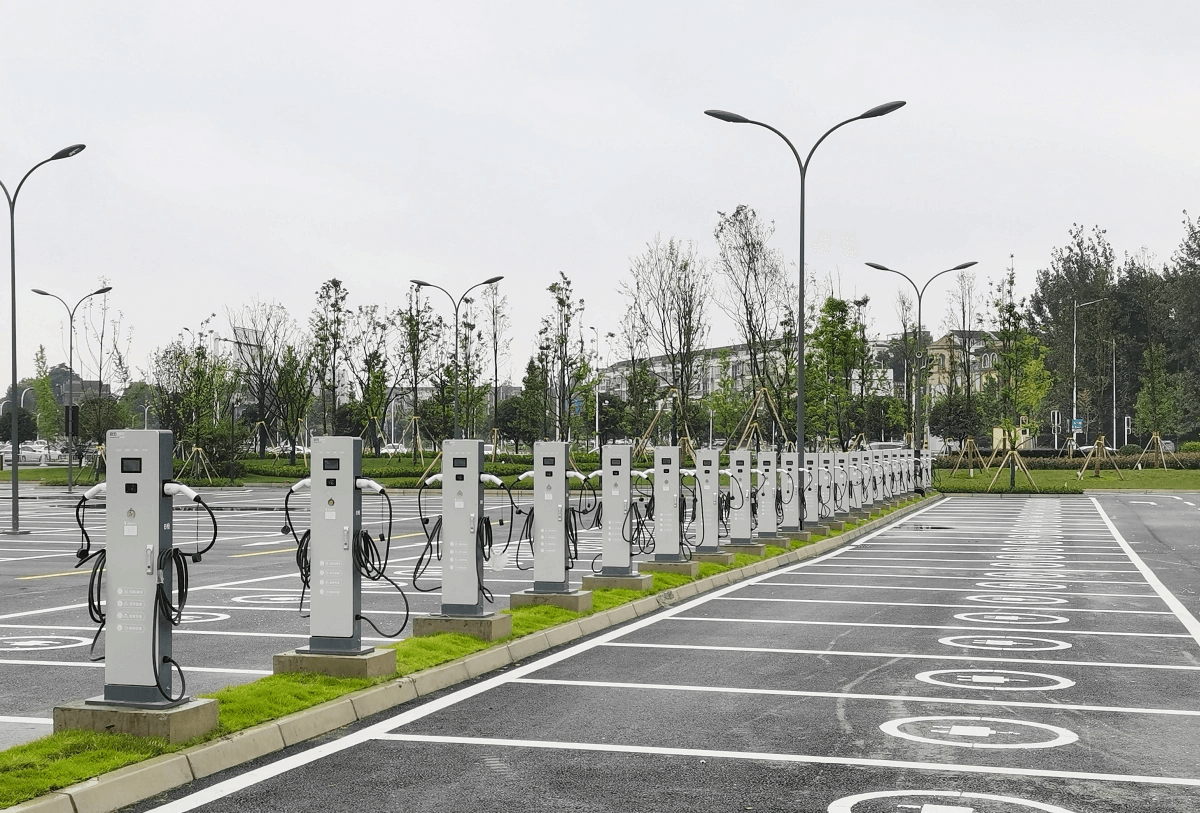
Investing in electric vehicle (EV) charging stations can be a lucrative opportunity as the demand for EVs grows globally. Here’s a step-by-step guide on how to invest in EV charging stations:
Before investing, research the EV charging industry, including:
Types of Charging Stations:
Level 1 (Slow, 120V) – Home use.
Level 2 (Medium, 240V) – Public/commercial (malls, offices).
DC Fast Charging (DCFC, 480V+) – High-speed charging for highways & fleets.
Business Models:
Own & Operate: Install and manage stations yourself.
Franchise: Partner with established charging networks.
Hosting: Lease land to charging companies (passive income).
Invest in Stocks/ETFs: Buy shares in charging companies.
Steps:
Location Selection: High-traffic areas (highways, malls, gas stations, apartments).
Permits & Regulations: Check local zoning laws and utility requirements.
Hardware Costs:
Level 2: 2,000–2,000–10,000 per unit.
DCFC: 50,000–50,000–150,000+ per unit.
Software & Network: Choose a charging management system (e.g., ChargePoint, EVBox).
Revenue Streams:
Pay-per-use charging.
Subscription models.
Advertisements/sponsorships.
Pros: High potential returns.
Cons: High upfront costs, maintenance responsibility.
Join an established network like ChargePoint, Blink, EVgo, or Tesla.
They handle software, maintenance, and branding.
You provide land/capital and earn a share of revenue.
Lease your property (parking lots, retail spaces) to charging companies.
Earn rent or revenue-sharing.
Public Companies:
ChargePoint (CHPT)
Blink Charging (BLNK)
EVgo (EVGO)
Tesla (TSLA) – Supercharger network.
ETFs:
Global X Autonomous & EV ETF (DRIV)
iShares Self-Driving EV & Tech ETF (IDRV)
Private equity or crowdfunding platforms (e.g., StartEngine, Republic) may offer EV charging startups.
U.S.: Federal tax credits (30% up to $100,000 via IRA), state rebates.
Europe: EU Green Deal subsidies.
Asia: China/India offer EV infrastructure incentives.
Check local programs to reduce costs.
Revenue: Charging fees (0.20–0.20–0.60/kWh for DCFC).
Costs: Electricity, maintenance, network fees.
ROI: Typically 3–7 years for Level 2, longer for DCFC.
Risks: Low utilization, tech obsolescence, competition.
Begin with a few Level 2 chargers before scaling.
Combine with solar panels for lower energy costs.
Wireless charging, ultra-fast chargers (350kW+), and vehicle-to-grid (V2G) tech are emerging.
Best for Businesses: Retailers, gas stations, hotels.
Best for Passive Investors: Stocks, ETFs, or hosting.
Best for Entrepreneurs: Owning/operating stations.
Would you like recommendations based on your budget (e.g., 10Kvs.100K+)?
best level 2 ev charger for home
Level 2 Electric Vehicle Charging Station: Core Components and Cost Analysis
RECOMMED PRODUCT